Italy has long been a living museum—where art is not confined to galleries and architecture is not frozen in time. Nowhere is this more evident than in the country’s most exclusive private villas, where centuries-old frescoes, sculptural staircases, and avant-garde design coexist with modern luxury. These are not simply places to sleep; they are immersive cultural environments. Staying in one of Italy’s art-forward private villas means inhabiting history, aesthetics, and craftsmanship at a level usually reserved for curators and collectors.
Living Inside a Renaissance Canvas
Some Italian villas feel less like accommodations and more like privately owned wings of a Renaissance museum. In Tuscany and Umbria, noble estates once built for Medici-era families now open their doors to a select few guests. Hand-painted ceilings, original stone fireplaces, and meticulously restored frescoes transform daily life into a dialogue with the past. Morning coffee is taken beneath allegorical murals; evenings unfold in salons designed for philosophers and poets. What elevates these villas is not preservation alone, but thoughtful restoration—where climate control, bespoke lighting, and discreet technology protect the art without intruding on the atmosphere.
Architectural Statements in the Italian Countryside
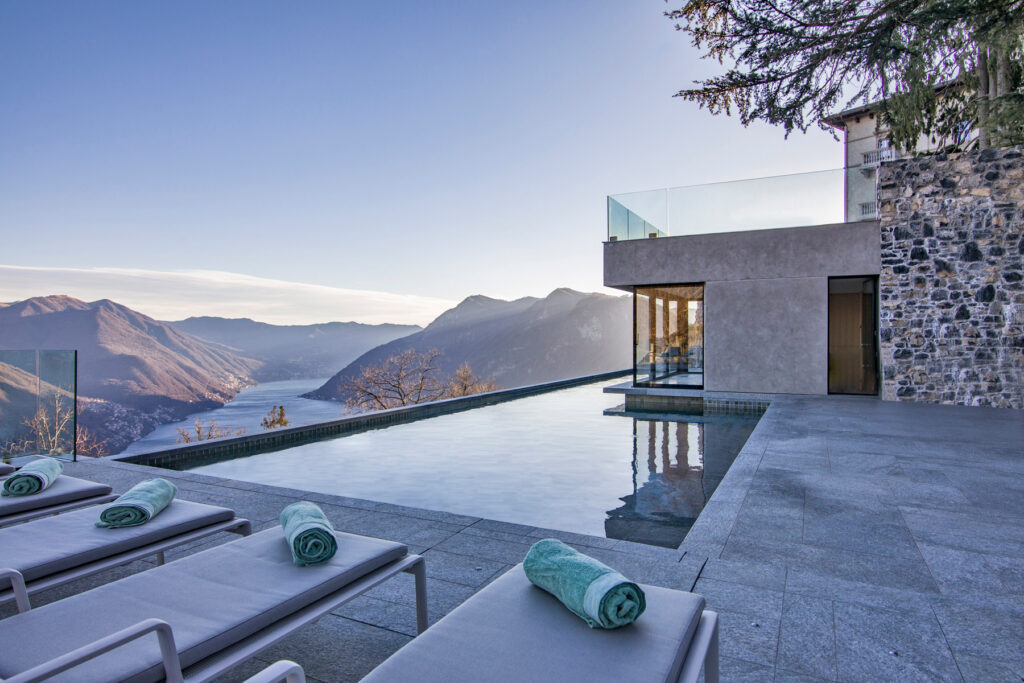
Beyond classical heritage, Italy’s private villas also showcase bold architectural ambition. In regions like Lake Como and Puglia, modernist villas reinterpret Italian design through clean lines, sculptural concrete, and floor-to-ceiling glass that frames vineyards and water like curated installations. These villas often collaborate with contemporary Italian architects and artists, turning the building itself into the main artwork. Minimalist interiors act as galleries for site-specific installations, custom furniture, and rotating private collections. The result is a stay that feels intellectually stimulating—where space, light, and form are as engaging as any exhibition.
Art Curation as Part of the Experience
What truly distinguishes museum-level villa stays is intentional art curation. Many private villas work with art historians or foundations to contextualize their collections. Guests might find annotated catalogs in the library or enjoy private talks explaining the symbolism behind a fresco cycle or the provenance of a sculpture. Some villas even arrange private viewings of nearby ateliers or closed-door palazzos, extending the artistic journey beyond the estate. This approach transforms passive admiration into active cultural participation.
Craftsmanship, Not Decoration
Italian villas of this caliber celebrate craftsmanship over ornamentation. Marble staircases carved by regional artisans, hand-forged ironwork, and custom mosaics reflect Italy’s living artisanal traditions. Unlike hotels where art can feel decorative, here every element—door handles, tiles, even garden layouts—has intent and lineage. The villa itself becomes a holistic work of art, where architecture, interior design, and landscape speak the same visual language.
Q&A: Other Italian Stays for Art & Architecture Lovers
Q: Are there hotel alternatives that offer similar artistic depth?
A: Yes. Properties like Il San Pietro di Positano blend dramatic architecture with curated art collections overlooking the Amalfi Coast.
Q: What about Renaissance-focused luxury hotels?
A: Portrait Firenze offers refined contemporary interiors inspired by Florentine heritage, ideal for travelers who appreciate subtle design narratives.
Q: Any recommendations for art-forward urban stays?
A: Galleria Vik Milano functions as a living gallery, with each room designed by a different contemporary artist, set inside Milan’s historic arcade.
Q: Is there a countryside option with strong architectural identity?
A: Castello di Reschio merges restored medieval architecture with modern Italian design, appealing to guests who value both history and innovation.
Conclusion: Where Luxury Becomes Cultural Immersion
Italy’s private villas with museum-level art and architecture offer something no traditional hotel can replicate: the feeling of living inside a masterpiece. These stays dissolve the boundary between accommodation and cultural institution, allowing guests to experience art not as spectators, but as inhabitants. For travelers who believe true luxury lies in meaning, context, and aesthetic depth, these villas represent Italy at its most exclusive—quiet, cultivated, and profoundly inspiring.